
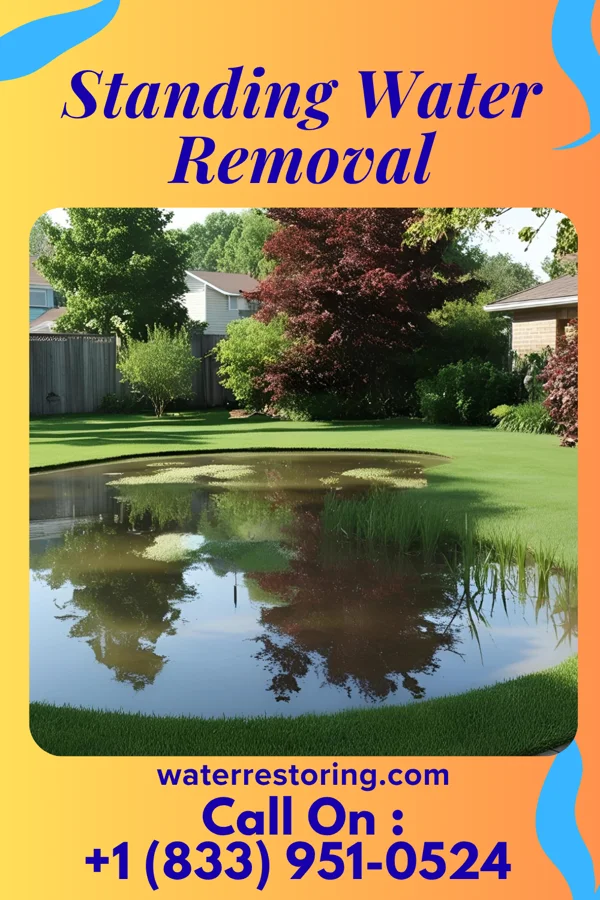
Standing Water Across St. Augustine South Neighborhoods
Every neighborhood in St. Augustine South has a different water damage risk profile. The one that shows up on most restoration calls is In St. Augustine South, Florida, standing water often results from heavy rainfall and storm surges due to the area's coastal location near the Atlantic Ocean. Additionally, flooding from nearby rivers and tidal changes can lead to sudden water accumulation in residential and commercial properties.. A close second is Leaking septic tanks, burst pipes from aging infrastructure, and improper drainage in low-lying areas are common secondary causes of water damage. These issues are exacerbated during hurricane season or extreme weather events..
St. Augustine South experiences a subtropical climate with high humidity and frequent tropical storms, increasing the risk of water intrusion. The region's proximity to the coast also means that storm surges and rising sea levels contribute to long-term water damage risks.
Water damage in St. Augustine South follows a few local patterns. In St. Augustine South, Florida, standing water often results from heavy rainfall and storm surges due to the area's coastal location near the Atlantic Ocean. Additionally, flooding from nearby rivers and tidal changes can lead to sudden water accumulation in residential and commercial properties. accounts for the bulk of our calls. St. Augustine South experiences a subtropical climate with high humidity and frequent tropical storms, increasing the risk of water intrusion. The region's proximity to the coast also means that storm surges and rising sea levels contribute to long-term water damage risks. Mold can develop rapidly in St. Augustine South due to high humidity and frequent moisture exposure, making prompt water damage response critical to prevent health hazards and structural damage.